Cryptocurrency and the Future of the World Currency
Abstract
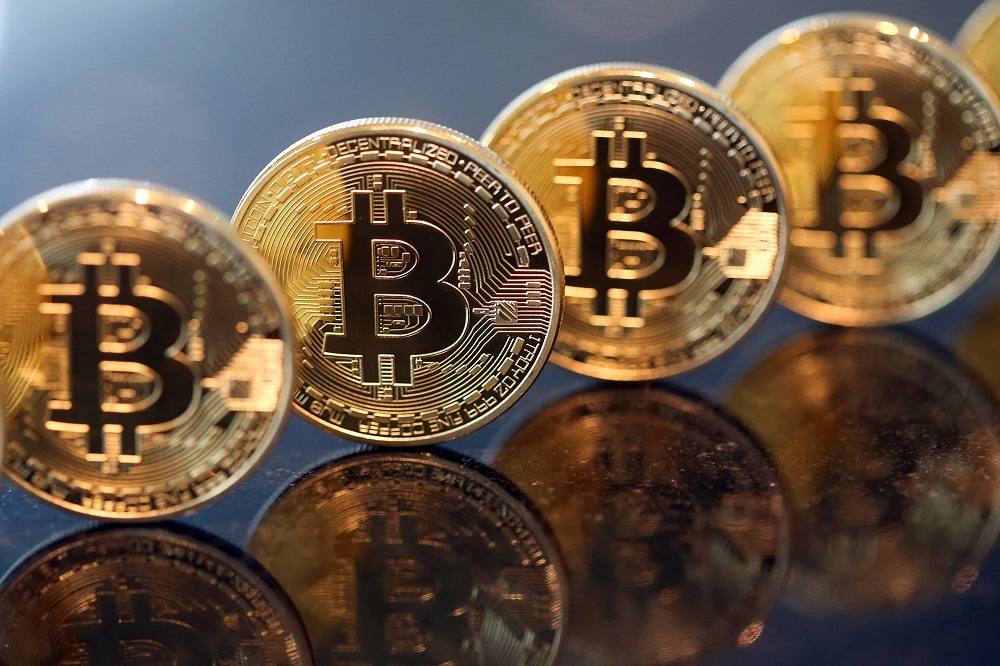
Cryptocurrencies and blockchain technology are increasingly loved, especially the COVID-19 pandemic sweeping the world. Some people choose to trade, invest, or mine using cryptocurrency because it is considered practical and able to generate fantastic profits. This article was written to analyze the prospects and implications of using cryptocurrency as a currency. To explore and describe the prospects and implications of cryptocurrency as a currency, a study was conducted with a literature review approach from secondary sources regarding the reasons for the prohibition of cryptocurrencies, the instability of crypto values, and without a clear underlaying of assets. Furthermore, the study in this article is expected to be able to explain the advantages and disadvantages of cryptocurrencies as well as alternative efforts in creating a stable and fair world currency
References
Alamsyah, I. F., & Juliana, J. (2021). Transition to A True Currency: Impact of COVID-19 on The World Currency System. Jurnal Kajian Peradaban Islam, 4(2), 42–47. https://doi.org/10.47076/jkpis.v4i2.65
Al-Kattani, A. H. (t.t.). The Sistem of Propethic Development Goverment Calld The Administrative Procedure (Vol. 2). Beirut: Dar Ihya At-thuras al ‘Arabi.
an-Nabhani, T. (2012). Sistem Ekonomi Islam (Terjemahan dari Nizhamul Islam). Jakarta: HTI Press.
Azizah, A. S. N., & Irfan, I. (2020). Fenomena Cryptocurrency dalam Perspektif Hukum Islam. Shautuna: Jurnal Ilmiah Mahasiswa Perbandingan Mazhab dan Hukum, 1(1). Retrieved from http://journal.uin-alauddin.ac.id/index.php/shautuna/article/view/12424
Berdik, D., Otoum, S., Schmidt, N., Porter, D., & Jararweh, Y. (2021). A Survey on Blockchain for Information Systems Management and Security. Information Processing & Management, 58(1), 102397. https://doi.org/10.1016/j.ipm.2020.102397
Chapra, U. (2000). Sistem Moneter Islam, “terj’. Ikhwan Abidin, Towards a just monetary system. Jakarta: Gema Insani.
Di Pierro, M. (2017). What Is the Blockchain. Computing in Science & Engineering, 19(5), 92–95.
Esposito, C., Ficco, M., & Gupta, B. B. (2021). Blockchain-based authentication and authorization for smart city applications. Information Processing & Management, 58(2), 102468. https://doi.org/10.1016/j.ipm.2020.102468
Fayyad, A. A. (1958). History of Islam. Tehran: Enteshart Daneshgah Tehran.
Firdaus, M. R. (2020). Penggunaan Cryptocurrency Di Indonesia.
GPU Rp 5 Jutaan Kini Dijual Rp 11 Juta Gara-gara Bitcoin. (t.t.). Retrieved 16 Juli 2021, from https://tekno.kompas.com/read/2018/01/25/10332217/gpu-rp-5-jutaan-kini-dijual-rp-11-juta-gara-gara-bitcoin
Gray, J. D. (2011). Art of Decepton Mereka Menipu Dunia. Jakarta: Sinergi Publishing.
Haber, S., & Stometta, W. S. (1990). How to Time-Stamp a Digital Document. 437–455. UK: Springer.
Hamidi, M. L. (2007). Gold Dinar; Sistem Moneter yang Stabil dan Berkeadilan. Jakarta: Senayan AbadiPublishing.
Hamin, D. I. (2020). Crypto Currensi dan Pandangan Legalitas Menurut Islam: Sebuah Literature Review. JAMBURA: Jurnal Ilmiah Manajemen Dan Bisnis, 3(2), 127–139.
Harwood, J. (2013). The Collapse of Global Capitalism: What can we learn from the Global Financial Crisis. Ppt dipresentasikan pada Jakarta International Conference of Muslim Intelectual, Jakarta.
Hikam, H. A. A. (2021). Begini Sejarah Panjang Lahirnya Bitcoin, Sudah Tahu? Retrieved 14 Juli 2021, from Detikfinance website: https://finance.detik.com/fintech/d-5474690/begini-sejarah-panjang-lahirnya-bitcoin-sudah-tahu
idxchannel. (2021). Menilik Bitcoin Haram atau Halal, Ini 11 Catatan MUI. Retrieved 14 Juli 2021, from Https://www.idxchannel.com/ website: https://www.idxchannel.com/economics/menilik-bitcoin-haram-atau-halal-ini-11-catatan-mui
idxchannel. (2021). Rupiah Alat Pembayaran Sah! Bukan Bitcoin, Dinar Apalagi Dirham. Retrieved 14 Juli 2021, from Https://www.idxchannel.com/ website: https://www.idxchannel.com/economics/rupiah-alat-pembayaran-sah-bukan-bitcoin-dinar-apalagi-dirham
Iqbal, M. (2010). Dinar Nomics. Jakarta: Sinergi Publishing.
Jing, N., Liu, Q., & Sugumaran, V. (2021). A blockchain-based code copyright management system. Information Processing & Management, 58(3), 102518. https://doi.org/10.1016/j.ipm.2021.102518
Kamasa, F. (2012). The Age of Deception Riba Dalam Globalisasi Ekonomi, Politik Global, dan Indonesia. Jakarta: Gema Insani.
Karim, A. (2002). Ekonomi Islam; Suatu Kajian Kontemporer. Jakarta: Gema Insani Press.
Khalil, A. bin. (2014). Ushul Fiqih Kajian Ushul Fiqih Mudah dan Praktis. Depok: Pustaka Thariqul Izzah.
Kosasi, S. (2020). Karakteristik Blockchain Teknologi Dalam Pengembangan Edukasi. ADI Bisnis Digital Interdisiplin Jurnal, 1(1), 87–94.
Kunaifi, A. (2016). Manajemen Pemasaran Syari’ah Pendekatan Human Spirit: Konsep. Etika, Strategi dan Implementasi. Yogyakarta: Maghza Pustaka.
Kunaifi, A. (2021). Quantitative Easing In Overcoming the Crisis: Criticism ofQeinthe Monetary System Of Capitalism. Turkish Journal of Computer and Mathematics Education (TURCOMAT), 12(3), 3703–3714. https://doi.org/10.17762/turcomat.v12i3.1653
Kunaifi, A., Rahman, F., & Dwiaryanti, R. (2021). The Philosophy and Authentication of Welfare Equalization in the Islamic Economy. Jurnal Kajian Peradaban Islam, 4(2), 54–62. https://doi.org/10.47076/jkpis.v4i2.67
Larina, O. I., & Akimov, O. M. (2020). Digital Money at the Present Stage: Key Risks and Development Direction. Finance: Theory and Practice, 24(4), 18–30. https://doi.org/10.26794/2587-5671-2020-24-4-18-30
Liputan6.com. (2021). 13 Perusahaan dan 229 Aset Kripto Terdaftar di Bappebti. Retrieved 14 Juli 2021, from Liputan6.com website: https://www.liputan6.com/tekno/read/4488774/13-perusahaan-dan-229-aset-kripto-terdaftar-di-bappebti
Mediatama, G. (2019). Bangun ladang panel surya raksasa, ini efek mengerikan yang bakal China alami. Retrieved 16 Juli 2021, from Kontan.co.id website: https://internasional.kontan.co.id/news/bangun-ladang-panel-surya-raksasa-ini-efek-mengerikan-yang-bakal-china-alami
Meera, A. K. M. (2004). The theft of Nations Returning to Gold. Malaysia: PelandukPublications.
Memaknai Hadis Kembalinya Khilafah – Al-Wa’ie. (2021). Retrieved 16 Juli 2021, from https://al-waie.id/afkar/memaknai-hadis-kembalinya-khilafah/
Mirakhor, A., & Al-Hasani, B. (1989). Essay on Iqtisâd Islamic Approachto Economic Problems. USA:NUR.
Nofer, M. (2017). Blockchain. Business & Information Systems Engineering, 59(3), 183–187.
Noorsanti, R. C., Yulianton, H., & Hadiono, K. (2018). Blockchain-Teknologi Mata Uang Kripto (Crypto Currency). Sendi_U.
Penambangan Bitcoin Boros Listrik, Begini Menurut Ahli. (2021). Retrieved 16 Juli 2021, from VOI - Waktunya Merevolusi Pemberitaan website: https://voi.id/teknologi/36317/penambangan-bitcoin-boros-listrik-begini-menurut-%20ahli
Perwataatmadja, K., & Antonio, M. S. (1992). Apa Dan Bagaimana Bank Islam. Yogyakarta: Dana Bakti Wakaf.
Purwati, J. (2019). Likuiditas Dan Efisiensi Pasar Pada Mata Uang Kripto.
Redaksi, T. (2004). Dinar Aman, Menguntungkan, Bebas Riba. Alia Jakarta.
Ridwan, R. Z. (2019). The Utilization of Cryptocurrencies by the Terrorist Group as an Alternative Way of Hawala for Illicit Purposes. Jurnal Sentris, 2(2), 88–101. https://doi.org/10.26593/sentris.v2i2.4183.88-101
Rizki, N. F. (2020). Analisis Kesesuaian Syariah Electronic Money pada Bank Penerbit Uang Elektronik di Indonesia. An-Nisbah: Jurnal Ekonomi Syariah. An-Nisbah, IAIN Tulungangung, 7(1), 212–249.
Rusdiyanto, A. (2017). Tinjauan Prinsip Syariah Terhadap Produk E-money Bank Syariah Mandiri (Skripsi).
Suharni, S. (2018). Uang Elektronik (E-Money) ditinjau dari Perspektif Hukum dan Perubahan Sosial. Spektrum Hukum, 15(1), 15. https://doi.org/10.35973/sh.v15i1.1108
Weatherford, J. (2005). Sejarah Uang. Yogyakarta: Bentang Pustaka.
Wilianto, W., & Kurniawan, A. (2018). Sejarah, Cara Kerja Dan Manfaat Internet of Things. Matrix: Jurnal Manajemen Teknologi Dan Informatika, 8(2), 36–41.

This work is licensed under a Creative Commons Attribution-ShareAlike 4.0 International License.
Copyright
- The Author and each co-authors transfer the copyright and grant the journal right of publication with the work simultaneously licensed under an International Creative Commons Attribution and ShareAlike 4.0 License that allows others to share the work with an acknowledgement of the work's authorship and initial publication in this journal.
- Authors are able to enter into separate, additional contractual arrangements for the non-exclusive distribution of the journal's published version of the work (e.g., post it to an institutional repository or publish it in a book), with an acknowledgement of its initial publication in this journal.
- Authors should sign copyright transfer agreement when they have approved the final proofs sent by ISLAMIC RESEARCH prior the publication.
Author Guarantee
- The Author (Co-authors) guarantees that the Materials are an original work, submitted only to ISLAMIC RESEARCH, and have not been published previously.
- In case the Materials were written jointly with Co-authors, the Author guarantees that he/she has informed them of the terms of this Agreement and obtained their signatures or written permission to singe on their behalf.
- The Author guarantees as well that:
- The Materials do not contain libelous statements.
- The Materials do not infringe on other persons' rights (including without limitation copyrights, patent rights and the trademark right).
- The Materials do not contain facts or instructions that can cause damage or injury to third parties and their publication dose not cause the disclosure of any secret or confidential information
ISLAMIC RESEARCH is Published by Perhimpunan Intelektual Muslim Indonesia, and licensed under a Creative Commons Attribution-ShareAlike 4.0 International License.
Copyright ©2022.